MEMBERSHIP
AMPLIFY
EN ESPAÑOL
Connect With Us
- Popular search terms
- Automobile
- Home + Renters
- Claims
- Fraud
- Hurricane
- Popular Topics
- Automobile
- Home + Renters
- The Basics
- Disaster + Preparation
- Life Insurance
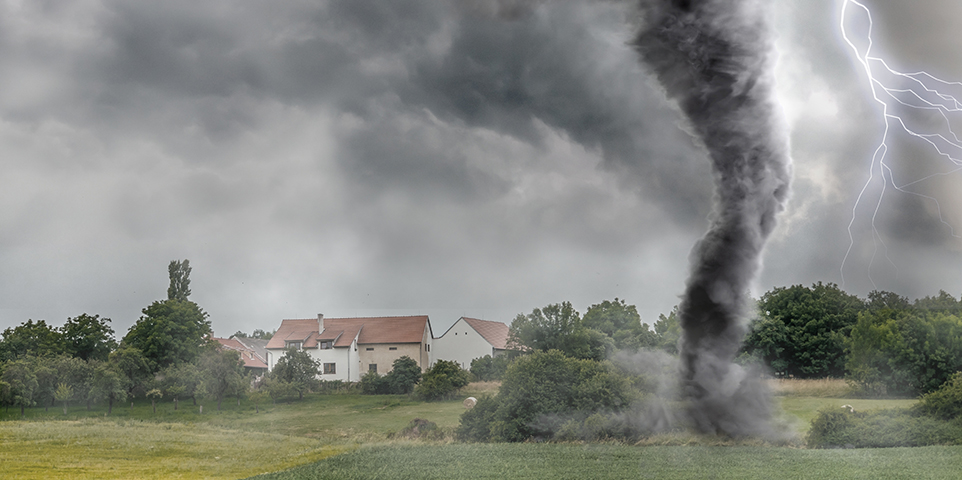
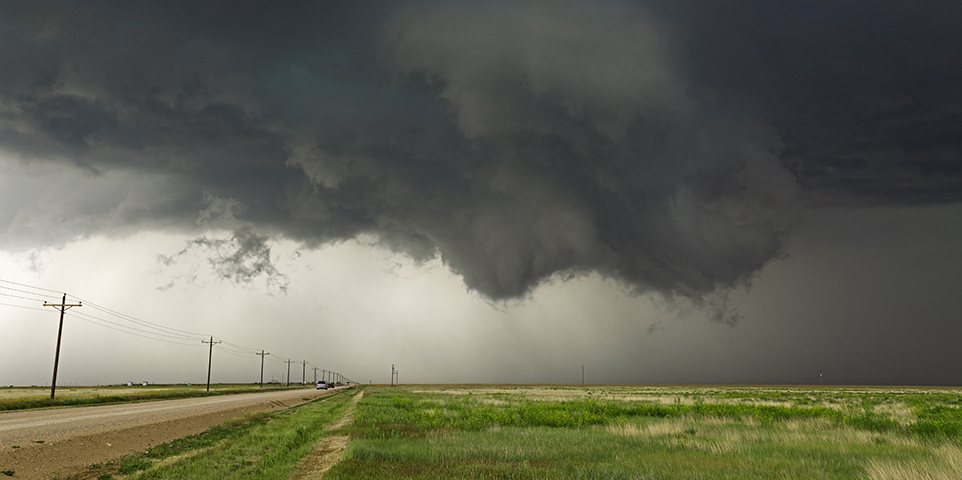
When atmospheric conditions are right, tornadoes can strike with little warning and cause severe damage in a very short time. These tips can help minimize your risk and keep you and your family safe.
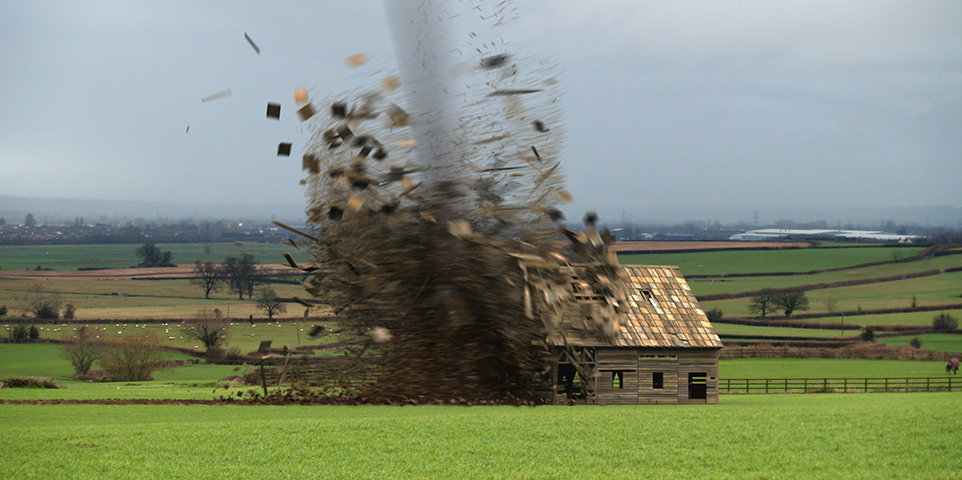
A tornado, also known as a twister, is a violently rotating column of air that extends from a thunderstorm and make ground contact. Tornado intensity is measured by the Enhanced Fujita (EF) scale, which rates tornadoes from 0 through 5 based on the amount and type of wind damage.
An average of about 1,200 tornadoes is reported nationwide each year. Twisters are most common in the central United States, often referred to as “Tornado Alley,” but significant tornado activity also occurs in the Southeast, sometimes called “Dixie Alley.” Tornadoes can occur almost anywhere in North America, including in large cities.
Tornadoes can happen at any time of year and at any time of day or night, though they occur most frequently between early spring and July and during the late afternoon and early evening hours.
Signs that a twister may be approaching include:
Although meteorologists are now better able to detect tornado-producing storms, tornadoes can still strike with little warning. Therefore, it is best to be prepared well before severe weather approaches.
Many communities use outdoor warning sirens, and mobile phones can receive Wireless Emergency Alerts (WEA) and weather notifications when tornado warnings are issued.
Both tornado watches and tornado warnings are issued by the National Oceanic and Atmospheric Administration (NOAA) and the National Weather Service (NWS). However, there are important differences between the two alerts.
A tornado watch means that weather conditions are favorable for tornadoes to develop.
If a watch is issued:
A tornado warning means a tornado has been sighted or detected on weather radar in your area.
Danger is imminent and you may only have seconds to take cover immediately.
When a tornado warning is issued or a tornado has been sighted, do not try to outrun it. Stay calm but act quickly and seek shelter in the safest place possible.
The safest place to be is underground. Basements usually provide the most protection. If a basement is not available, take cover in an interior room away from windows, such as:
Go directly to an enclosed, windowless area near the center of the building, away from glass and on the lowest floor possible. Crouch down and cover your head.
Interior stairwells often provide good shelter and allow access to lower floors quickly. Avoid elevators because power outages may trap occupants.
Follow staff instructions and move to an interior hallway or designated shelter area in an orderly manner. Crouch low, keep your head down, and protect the back of your head with your arms. Stay away from windows and large open rooms such as gyms and auditoriums.
If possible, drive to the nearest sturdy building or storm shelter. If shelter cannot be reached safely, abandon the vehicle and seek lower ground such as a ditch. Lie flat, face down, and protect the back of your head with your arms.
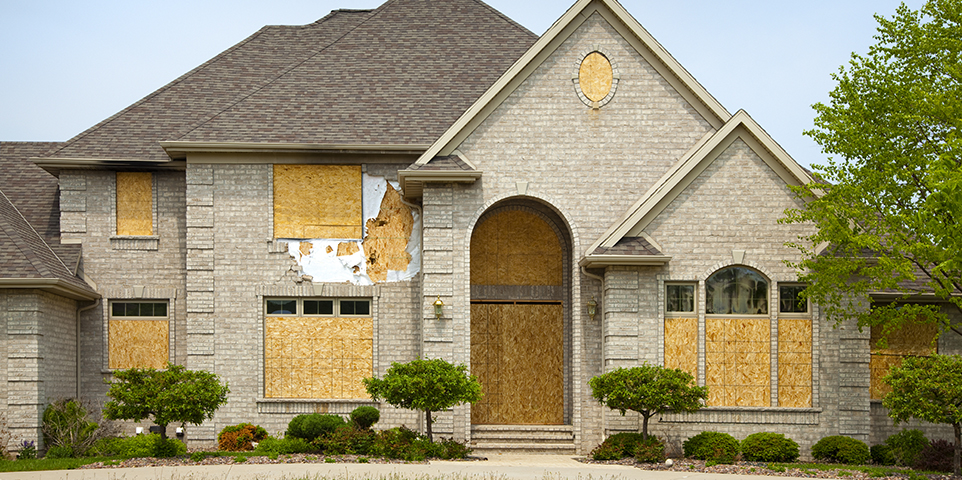
Tornadoes can leave behind dangerous conditions. Take caution when inspecting damage.
Damage caused by tornadoes is typically covered under standard homeowners and commercial property insurance policies. Damage to vehicles is covered under the optional comprehensive portion of an auto insurance policy.
If you sustain tornado damage:
If you have questions about your coverage, contact your insurance professional.
Next steps: Another atmospheric hazard that can strike quickly is lightning, stay safe by learning the difference between lightning myth and fact.