Boat insurance basics
The size, type and value of the craft and the water in which you use it factor into what type of insurance you need and how much you will pay for insurance coverage. As with any insurance policy, make sure you understand exactly what perils are covered and what your policy limits are.
- Small craft may be covered under your standard homeowners policy or renters insurance policy. Most insurers provide limited coverage for property damage for small boats such as canoes, small sailboats or small powerboats with less than 25 mile per hour horsepower. Coverage generally includes the boat, motor and trailer combined. Liability coverage is typically not included, but it can be added as an endorsement to a homeowners policy.
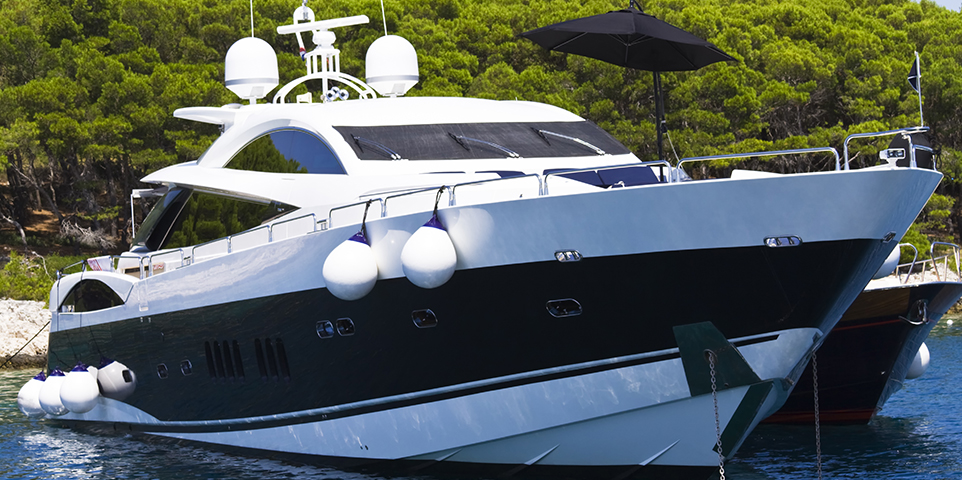
- Larger and faster boats such as yachts require a separate insurance policy (as do personal watercraft such as jet skis).
Typical boat insurance policies cover physical damage to the boat itself. They also cover property damage, theft and medical payments, each with different deductibles. Your insurer may offer additional, optional coverage for trailers and boat accessories.
Boat insurance policies generally provide broader liability protection than a homeowners policy. However, depending on the assets that are at risk, boat owners may also consider purchasing an umbrella liability policy, which will provide additional protection for their boat, home and car.
Boat insurance coverage
Boat insurance is available in two types, each with different parameters and different premium costs.
- Actual Cash Value policies pay for replacement costs less depreciation at the time of the loss. In the event of a total loss, used boat pricing guides and other resources are used to determine the vessel’s approximate market value. Partial losses are settled by taking the total cost of the repair less a percentage for depreciation.
- Agreed Amount Value policies are based on a valuation of your vessel that you and your insurer have agreed upon; in event of a total loss you will be paid the "agreed amount." Agreed Amount Value policies will also replace old items with new ones in the event of a partial loss, without any deduction for depreciation.
Here are some of the common and optional boat coverages. Make sure you understand what exactly your policy will pay for and what the limits are.
- Physical loss or damage to the actual boat, including the hull, machinery, fittings, furnishings and permanently attached equipment. Physical damage exclusions might include normal wear and tear, damage from insects, mold, animals (such as sharks), zebra mussels, defective machinery or machinery damage.
- Bodily injury to persons other than the boat owner or his or her family.
- Damage caused to someone else’s property.
- Guest passenger liability—that is, any legal expenses incurred by someone using the boat with the owner’s permission.
- Medical payments for injuries to the boat owner and other passengers.
- Trailer or boat accessories.
- Loss or theft of belongings may or may not be covered. Your homeowners policy may provide some coverage and boaters should specifically inquire about special equipment kept on the boat, such as fishing gear, to make sure it is covered.
- Towing in the event of an accident.
Boat insurance discounts
If you're thinking of obtaining boat insurance or changing insurers, inquire about discounts for the following:
- Diesel powered craft, which are less hazardous than gasoline powered boats as they are less likely to explode
- Coast Guard approved fire extinguishers
- Crew completion of boating and water safety education courses, such as those offered by the Coast Guard Auxiliary, U.S. Power Squadrons, or the American Red Cross.
- Multi-policies with the same insurer, such as a car, home or umbrella policy.
- Two years of claims-free experience
Best practices for boat safety
There are thousands of recreational boating accidents per year, which can be costly in injuries and damages. Contributing factors to boating disasters include traveling too fast for water or weather conditions, driving under the influence of drugs or alcohol, failing to follow boating rules and regulations, carelessness and inexperience.
The best way to ensure your years of accident- and claims-free experience is to follow boating safety practices.
- Properly equip your vessel with required navigation lights and with a whistle, horn or bell. Have on hand plenty life jackets and emergency safety devices such as a paddle or oars, a first-aid kit, a supply of fresh water, a tool kit and spare parts, a flashlight, flares and a radio. Carry one or more fire extinguishers, matched to the size and type of boat and keep them readily accessible and in condition for immediate use.
- Before you sail or launch, check weather forecasts before heading out to ensure good boating conditions. Let someone know where you’re going and when you expect to return. Check engine, fuel, electrical and steering systems, especially for exhaust-system leaks.
- When you have passengers and/or a load, pay attention when loading. Distribute the load evenly and don't overload. In a small boat, warn passengers not to stand up or shift weight suddenly. Don’t permit riding on the bow, seatbacks or gunwales. Make sure that every person on board the boat gets and wears a life jacket.
- Know and obey marine traffic laws; learn distress signals and other boating signals.
- In shallow waters, keep an alert lookout for other watercraft, swimmers, floating debris and shallow waters.
- Don't operate the boat while under the influence of alcohol or drugs, or allow anyone who might be impaired to operate the vessel.
Additional resources
Coast Guard Auxiliary
U.S. Power Squadrons
The American Red Cross
Next steps link: Do you own jet skis? Learn about insuring your personal watercraft.