By Lewis Nibbelin, Research Writer, Triple-I
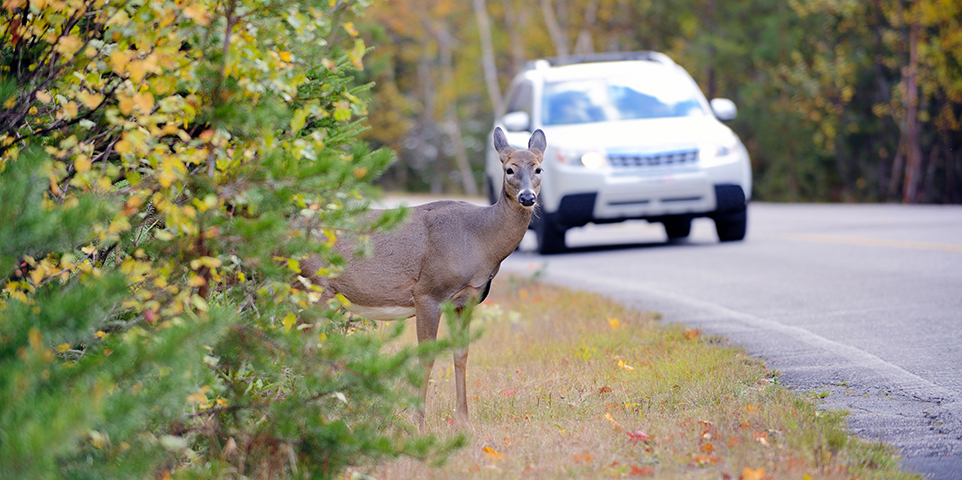
October marks the beginning of deer migration and mating season across much of the country, bringing more deer activity onto roadways and, with it, the greater likelihood of animal-vehicle collisions. Nationally, drivers have a 1 in 145 chance of a collision with an animal, according to State Farm’s latest annual analysis of animal collision data.
Though improved from the prior study period’s 1 in 139 odds, animal collision claims totaled more than 1.6 million between July 2025 and June 2026, with State Farm alone paying out $1.9 billion in associated claims costs. Fifteen states remained at high risk of such accidents, with odds of 1 in less than 100.
West Virginia led with the greatest likelihood, at 1 in 46 – a spot the state has held for more than a decade. Montana ranked second, at 1 in 54, followed by Wisconsin, Pennsylvania, and Michigan, all of which maintained odds of 1 in below 70. Though ranked fourth for collision likelihood, Pennsylvania recorded the most estimated insurance claims, with about 141,000.
Animal collisions can do far more than damage a vehicle. According to the Insurance Institute for Highway Safety, fatal animal collisions are more common today than in prior decades, rising from 89 deaths in 1975 to 210 in 2024. Deer account for the bulk of these accidents, though collisions also may involve cattle, raccoons, dogs, cats, coyotes, and other animals.
To help lower the risk of a collision, follow these defensive driving tips:
- Be especially alert from dusk till dawn, when animals are more likely to be active.
- Use extra caution in animal-crossing zones, as well as places known to have large deer populations or in areas where roads divide agricultural fields from forestland.
- Use high beam headlights if driving at night, when there is no oncoming traffic. The higher light will better illuminate the eyes of wildlife on or near the roadway.
- Brake firmly and stay in your lane if an animal enters the road. Many serious crashes occur when drivers swerve to avoid striking an animal.
- Do not rely on deer-deterring devices such as deer whistles, deer fences, and reflectors. They have not been proven to reduce collisions.
- Always wear your seatbelt.
If an accident occurs, contact an insurance agent or company representative to report vehicle damage. Animal collisions are typically covered under the comprehensive portion of an auto insurance policy. Drivers who carry their state’s minimum required auto coverage may not be covered, as comprehensive coverage is not required under any state laws.
Learn More:
Facts + Statistics: Deer vehicle collisions
Driving in Winter? Be Prepared and Stay Safe
What is Covered by Collision and Comprehensive Auto Insurance?