By Lewis Nibbelin, Research Writer, Triple-I
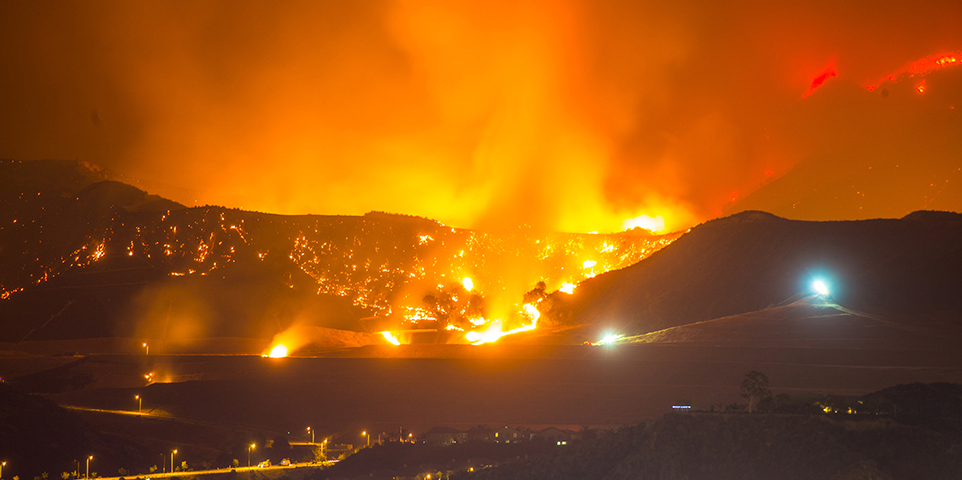
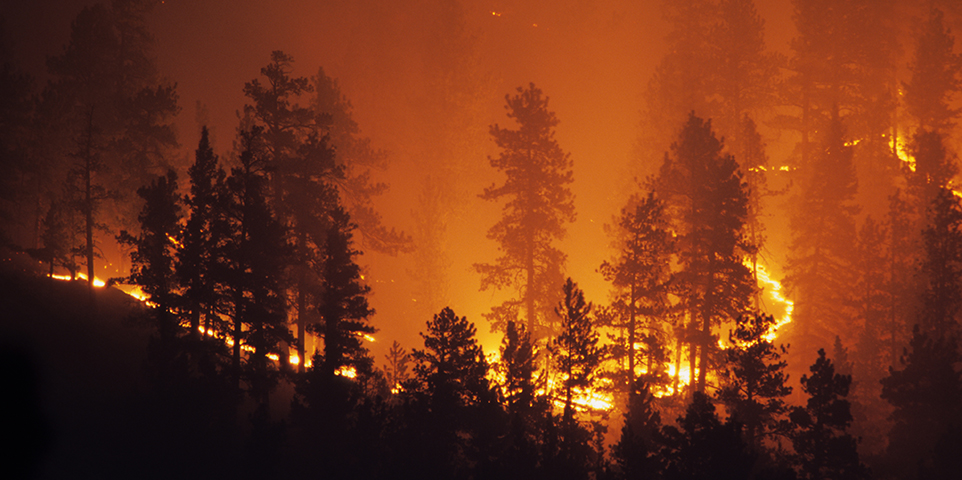
Extreme heat, wind, and drought conditions have set the stage for a historically severe 2026 wildfire season, bringing the peril to areas beyond those traditionally considered most exposed to the risk. A new Triple-I Issues Brief explores the evolving weather patterns and demographic trends behind the shift, particularly as urban areas become more vulnerable.
During the first half of 2026, more than 35,000 fires burned over 3 million acres across the United States, far exceeding the 10-year averages for fires and acres burned during the same period, according to the National Interagency Fire Center. Much of the activity occurred in the Southeast and Great Plains as both regions suffered some of their worst drought conditions on record, including Florida’s most severe drought in more than 20 years.
Shifts in wildfire activity reflect, in part, their mounting frequency outside the West. Research from the American Geophysical Union found some parts of the Eastern U.S. experienced a tenfold surge in large wildfires over the past four decades, attributed to vegetation growth in the region.
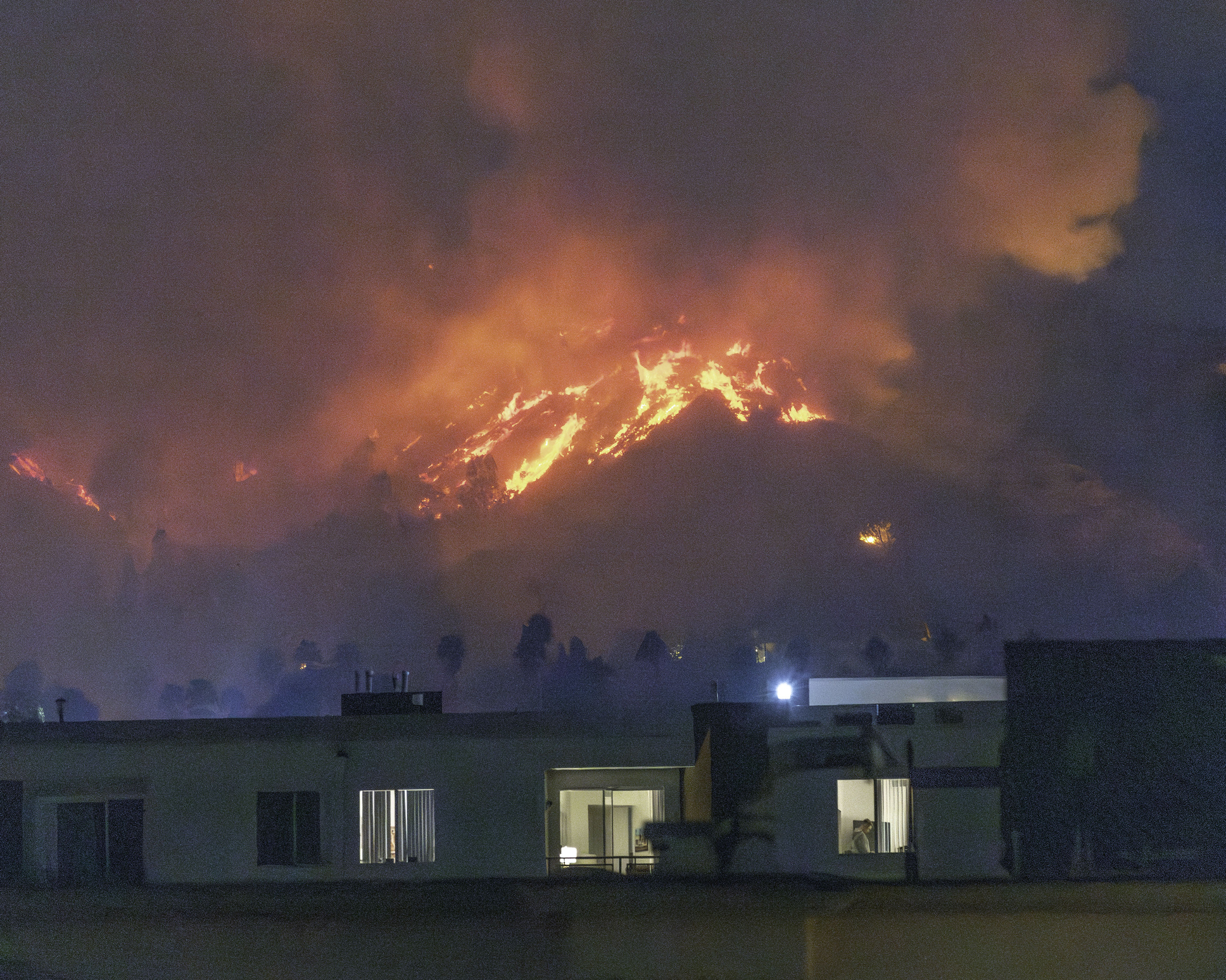
Wildfires are also increasingly burning in populated areas due to the rising number of people living in the wildland urban interface (WUI), or the zone of transition between developed and unoccupied land. About one-third of all houses in the continental U.S. are in WUI areas, translating to more than 46 million homes at risk from wildfire.
As more people move closer to natural areas, the WUI widens by approximately two million acres per year, the U.S. Fire Administration reported. Population shifts into these areas directly influence wildfire losses, generating a higher probability of property loss when an event occurs.
While wildfire risk is strongly conditioned by geographic considerations that vary across and within states, approaches to mitigating the peril that can account for this variability are continuing to take shape. A study conducted by the California Department of Insurance and the National Association of Insurance Commissioners revealed that rebuilding Los Angeles homes to Insurance Institute for Business and Home Safety (IBHS) standards could reduce future wildfire losses by one-third, underscoring the potential benefits of such construction throughout the state and other wildfire-prone areas.
Ultimately, one homeowner’s investment in wildfire prevention can quickly be undone by the failure of neighbors to invest in the same. Insurers are well-suited to inform and support these efforts, but successful mitigation requires community engagement in the solutions designed to keep them safe.
Learn More:
Resilient Post-Wildfire Rebuilding Pays Off
Study Supports Defensible Space, Home Hardening as Wildfire Resilience Tools
Data Granularity Key to Finding Less Risky Parcels in Wildfire Areas
Claims Leaders Take Charge on Climate-Resilient Rebuilding
Resilience Investment Payoffs Outpace Future Costs More Than 30 Times