By Lewis Nibbelin, Research Writer, Triple-I
Triple-I has launched an interactive Affordability Index to help consumers, policymakers, and other stakeholders understand the varied cost drivers of personal auto and homeowners’ insurance throughout the country.
Developed in collaboration with the Insurance Research Council (IRC) – an affiliate of The Institutes, like Triple-I – the index measures insurance costs relative to household income on national and state levels through 2025. Nationwide, auto insurance represented 1.7% of median household income, up 9% from 2020, while homeowners’ insurance accounted for 2.4%, up 24% over the same period.
Looked at more closely, however, affordability varies widely across states due to their distinct risk profiles and market conditions. The index scores each state’s auto and homeowners’ market from most to least affordable, accompanied by an analysis of the specific factors driving these results.
Personal auto cost pressures
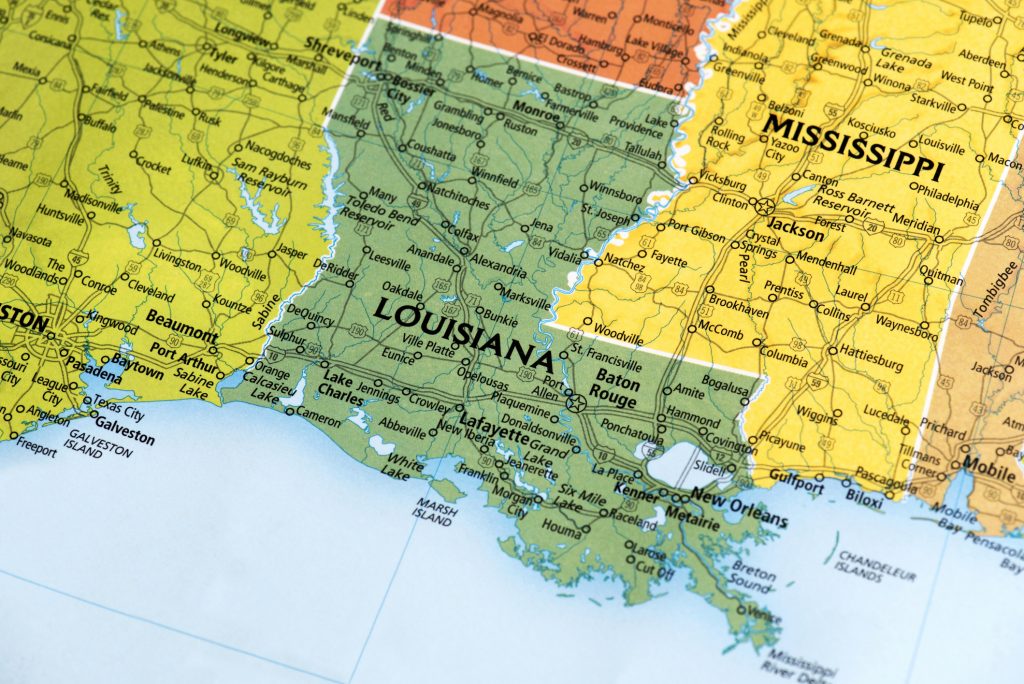
For auto insurance, the index classified Delaware, Florida, Georgia, Louisiana, Michigan, Mississippi, Nevada, New York, South Carolina, and Texas as the 10 least affordable. Uninsured driver exposure contributed to the rankings for half of these states, with Mississippi having the highest uninsured driver rate in the nation, at about 29% of all drivers.
Claims litigation was a key factor for all 10, though legislative reforms targeting insurance fraud have helped improve average premium rates in some states, particularly Florida, Georgia, and Louisiana. As such, affordability conditions in the three states were identified as either stable or becoming more favorable for consumers. Of the 10 least affordable, only Nevada and Texas were declining – a trend attributed to rising costs in both states.
Availability problems in home
Among the states labeled least affordable for homeowners’ insurance were Alabama, Arkansas, Florida, Louisiana, Minnesota, Mississippi, Nebraska, Oklahoma, Rhode Island, and Texas. Louisiana and Florida led the ranking at 5.5% and 4.1% of median household income, respectively – driven largely by mounting repair costs and elevated hurricane and flood risk.
But unlike auto insurance, the broader homeowners’ market faces added challenges linked to insurance availability, as indicated by the share of U.S. homeowners’ coverage written through the residual and excess and surplus (E&S) lines markets. Combined, the residual and E&S market share climbed from 3.8% in 2020 to 5.6% in 2025, just under the 2024 peak of 5.8%.
By this same metric, California faces the greatest availability pressure, with a residual and E&S market share that increased 308% since 2020. North Carolina and Massachusetts also ranked low, with no signs of improvement in either state. Conditions in Louisiana and Florida – the other two availability-challenged states – have improved since legal system reforms were enacted.
Learn More:
Early Signs of Louisiana Insurance Rate Relief Signal More Work Ahead
Personal Auto Insurance Rebounds After Years of Pandemic Volatility
Storms, Inflation, Fraud Fuel Rising Homeowners Rates for Oklahomans