
By Loretta Worters, Vice President, Media Relations, Triple-I
October is Domestic Violence Awareness Month, a time to raise awareness of intimate partner violence and recognize the organizations working every day to help survivors find safety and rebuild their lives.
For the insurance industry, that commitment extends beyond providing financial protection. Through the Insurance Industry Charitable Foundation (IICF), insurance companies and professionals contribute funding, volunteer time, and expertise to nonprofit organizations addressing critical needs in communities nationwide.
One of those organizations is WomenRising, a longtime IICF nonprofit partner in the Northeast. Based in Jersey City, WomenRising has served women and families in Hudson County for more than 120 years and is the county’s designated provider of domestic violence services. The organization provides assistance including emergency shelter, crisis intervention, counseling and support groups, legal advocacy, and court accompaniment.
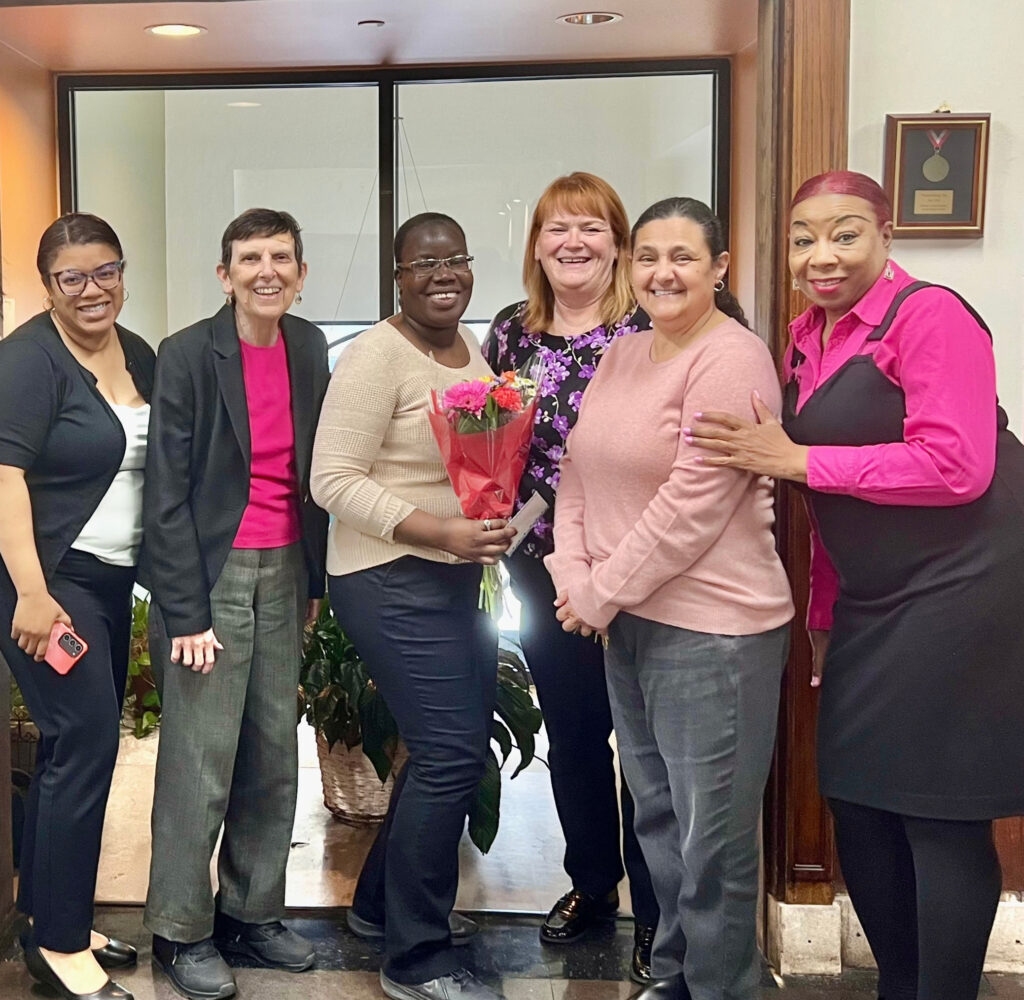
Escaping violence is only one part of a survivor’s journey. Building a safe, independent life can require housing, employment, counseling, financial stability and a network of support. WomenRising addresses many of those needs through domestic violence services, youth and family support, permanent supportive housing, and community economic development. Its workforce development services include career coaching, job training, résumé assistance and help finding employment.
“Leaving an abusive relationship takes tremendous courage, but leaving is often only the beginning,” said Roseann Mazzeo, executive director of WomenRising. “Survivors need more than a safe place for the night. They need the support and resources that allow them to build a life in which they and their children can be secure and independent. Partnerships with organizations like IICF help us provide that continuum of support and remind survivors that an entire community is standing behind them.”
Turning Commitment into Action
Through its regions across the United States, IICF supports nonprofits, including organizations addressing domestic violence, food insecurity, homelessness, education, and other community needs.
IICF grants and volunteer efforts have benefited such organizations as 180 Turning Lives Around in New Jersey, Hartford Interval House in Connecticut, Partnership Against Domestic Violence in Georgia, Human Options, Center for Safety & Change, WINGS and Sarah’s Inn, among others. In 2026, Partnership Against Domestic Violence recognized IICF’s Georgia Chapter with its Spark Award for its support of the organization and survivors.
WomenRising has been among the organizations receiving IICF support, both through charitable giving and the involvement of insurance industry volunteers.
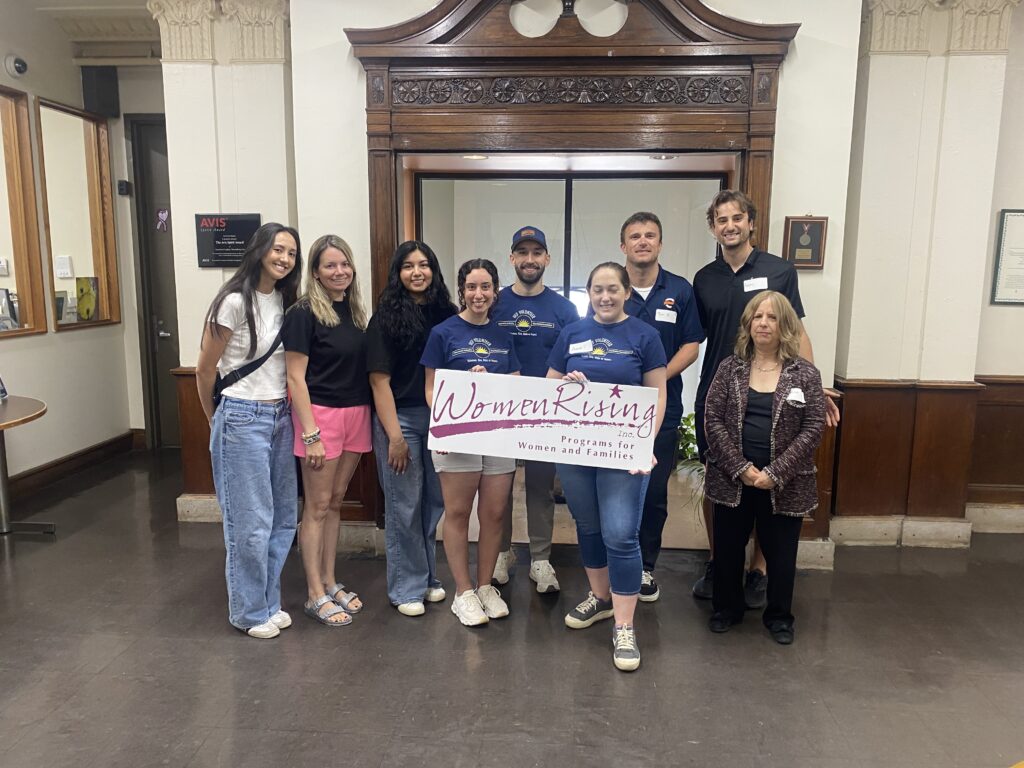
October also has special significance for IICF. Its annual Month of Giving mobilizes insurance professionals to volunteer with nonprofit organizations in communities across the country, providing another opportunity for the industry to turn its commitment to service into action.
“Insurance is fundamentally about helping people recover when life takes an unexpected turn, and that spirit of service extends far beyond the policies our industry provides,” said LoriAnn V. Lowery-Biggers, CEO of IICF. “Through our partnership with organizations such as WomenRising, insurance professionals can contribute their time, resources and expertise to help people at moments when support can make an extraordinary difference. Domestic Violence Awareness Month reminds us of what can be accomplished when an industry comes together to strengthen the communities we serve.”
Financial Abuse Can Make Leaving More Difficult
Domestic violence isn’t always physical. Financial abuse can be used to establish and maintain control by restricting access to money and bank accounts, preventing a partner from pursuing employment or job training, damaging credit, accumulating debt on joint accounts, stealing property or identity, or withholding financial information.
Insurance can play a role in protecting financial independence. As survivors begin rebuilding their lives, they may be establishing a new household, purchasing or leasing a car, returning to the workforce or assuming financial responsibilities previously controlled by an abusive partner. Insurance can help protect these assets and reduce the risk of an unexpected loss – a car crash, fire, theft or other event – becoming another major financial setback.
Understanding insurance also can be an important part of taking control of one’s financial life. Survivors may need to review who is named on existing policies, update contact information, understand what property is covered, establish their own auto or renters insurance, or review beneficiaries on life insurance policies. Survivors should work with an insurance professional to understand their coverage and make appropriate changes while keeping personal safety and privacy in mind.
Insurance cannot create financial independence by itself. But alongside income, savings, credit and access to financial services, it can provide an important layer of protection for the independence a survivor is working to build.
An Industry-Wide Commitment
Across the insurance industry, companies and their charitable foundations have supported organizations helping survivors of domestic violence, whether through grants, employee volunteerism or broader community partnerships.
The Allstate Foundation has focused on the intersection of survivors of relationship abuse and financial empowerment for more than two decades, investing more than $110 million in national organizations that provide essential support to survivors. It also partnered with advocates to create the online resource Moving Ahead: Financial Empowerment for Survivors of Domestic Violence to help survivors establish a financial foundation and plan for the future.
The Foundation is also bringing that focus into the workplace through its Survivor Empowerment Network, a national initiative that helps employers better support survivors of domestic and relationship abuse.
“We know that lack of access to financial resources is the number one barrier to survivor safety,” said Sharisse Kimbro, relationship abuse program officer at The Allstate Foundation. “When survivors have access to a safe and supportive workplace, they are better equipped to build lasting security and create a future where they can thrive.”
On October 22 at noon CT, The Allstate Foundation will host the webinar Empowerment in Action: A Survivor’s Story, featuring Kalyn Fahie, founder and executive director of the Virgin Islands Coalition Against Domestic Violence. Those interested can register here.
American Family Insurance and its employees also support community initiatives that touch the lives of domestic violence survivors.. Through the American Family Insurance Dreams Foundation, they’ve supported numerous organizations, such as Rosie’s Place and DAIS, plus two new organizations who recently received a grant from the Dreams Foundation. House of Hope and Waypoint Service for Women Children and Families both provide support, advocacy, and emergency shelter to survivors of domestic violence.
Through its Housing Stability Initiative, Liberty Mutual Foundation supports organizations including RESPOND, HarborCOV, DOVE and Roxbury Stone House, helping advance programs that address housing instability among individuals and families, including survivors of domestic violence. Beyond grants, Liberty Mutual employees also support organizations addressing domestic violence and related needs through charitable giving, volunteerism, educational programming, and pro bono legal services. These efforts included an employee-led fundraiser benefiting the National Domestic Violence Hotline last October.
From Safety to Independence
Domestic Violence Awareness Month can raise awareness, but awareness alone is not enough. Survivors need organizations that can answer a call in the middle of the night, provide a safe place to stay, help navigate the legal system, assist with employment and housing, and remain alongside them as they work toward independence. They also need communities willing to support that work.
For the insurance industry, IICF offers one way to put the industry’s broader mission of protection into action. Organizations such as WomenRising demonstrate what that support can mean on the ground, helping survivors recover, rebuild, and move forward.