By Jeff Dunsavage, Head of Research Publications and Insights, Triple-I
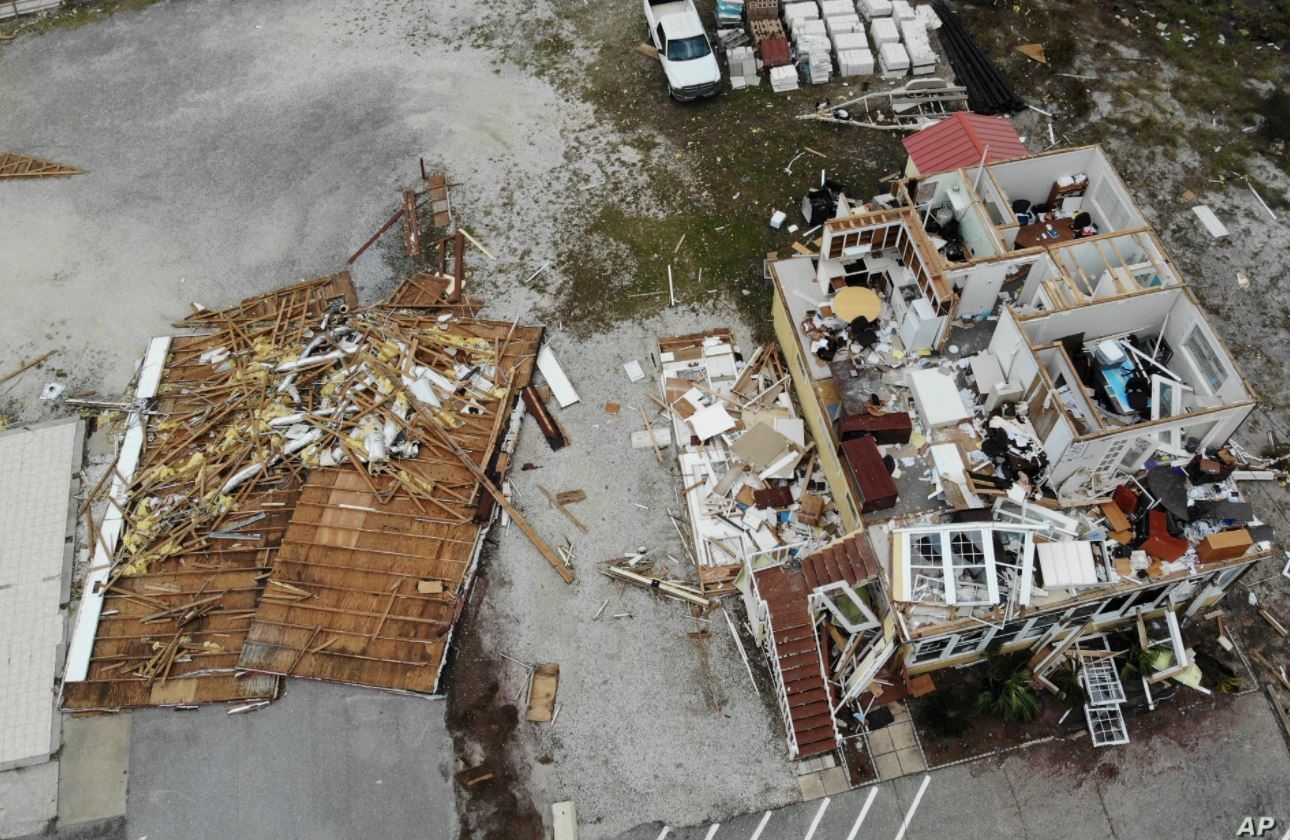
Insured losses from Hurricane Isaias are expected to settle at the low end of the low- to mid-single-digit billions of dollars, according to Gallagher Re. That figure includes anticipated claims to the National Flood Insurance Program (NFIP), which covers flood losses most standard homeowners policies exclude.
Isaias made landfall on October 9 near Destin, Fla., in the western Florida Panhandle, as a weakening Category 2 storm packing maximum sustained winds of 105 mph. The storm’s track shifted slightly eastward, carrying its strongest winds away from the densely developed Pensacola area and into a less populated stretch of coastline. That shift, combined with a tight radius of maximum winds, meant the storm’s worst winds largely missed the region’s biggest concentration of insured property.
The overall economic cost – including underinsured and uninsured losses – is expected to run roughly 40 to 50% higher than the final insured loss total, the Gallagher report says, due largely to inland flooding that was registered across several states.
“Current NFIP take-up rates, as of September 30, in coastal Alabama, Mississippi, and the Florida Panhandle generally range from roughly 10% to 25%, depending on the county or locality but quickly diminish to just 2% to 5% or less across many inland counties,” the report says. “As a result, a substantial portion of water-related residential and commercial property damage is expected to fall outside the insurance sector, contributing to a notable protection gap and elevating the broader economic impact on households, businesses, and state / local government recovery costs.”
Given abundant reinsurance market capital, Isaias is unlikely to influence upcoming January 1 reinsurance renewal discussions, Gallagher said.
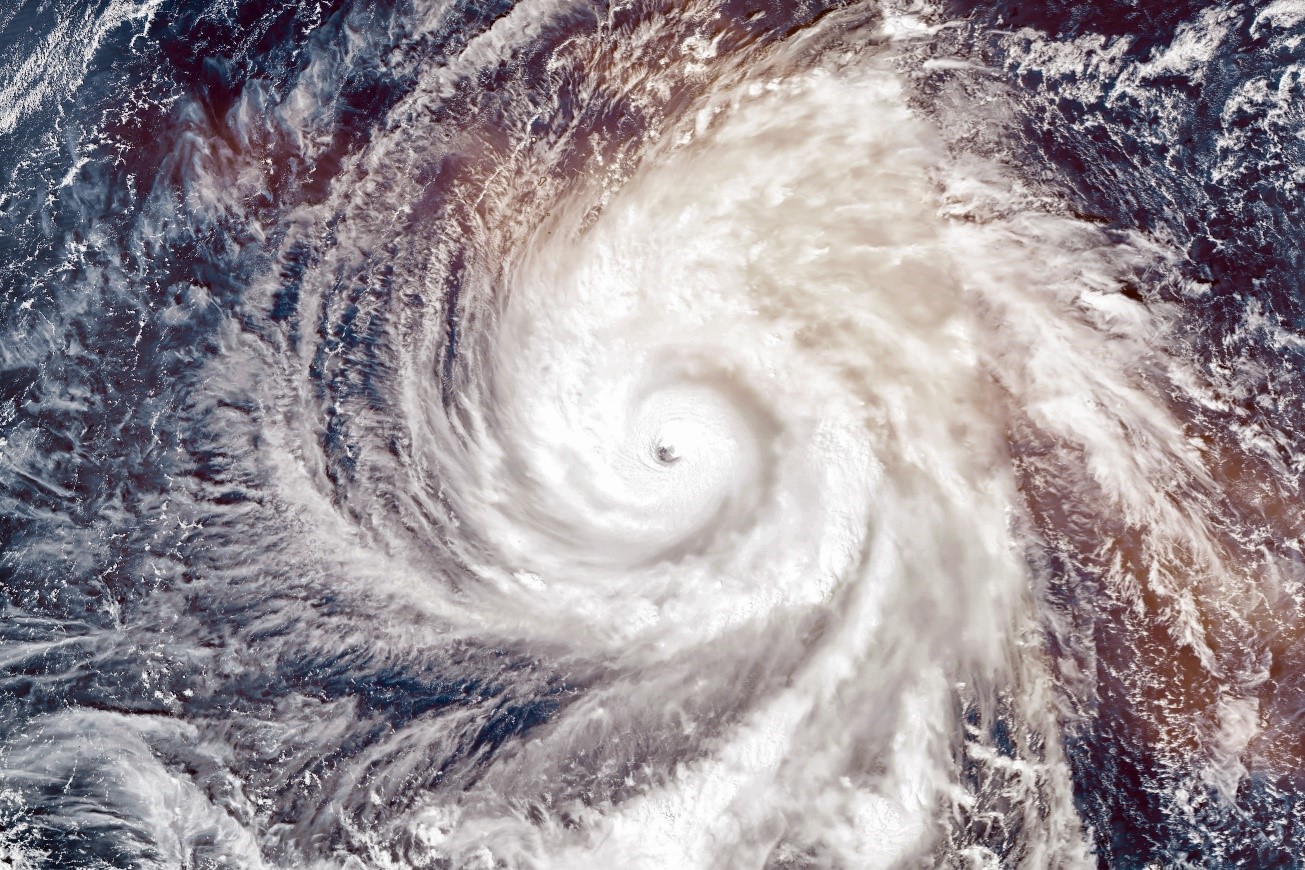
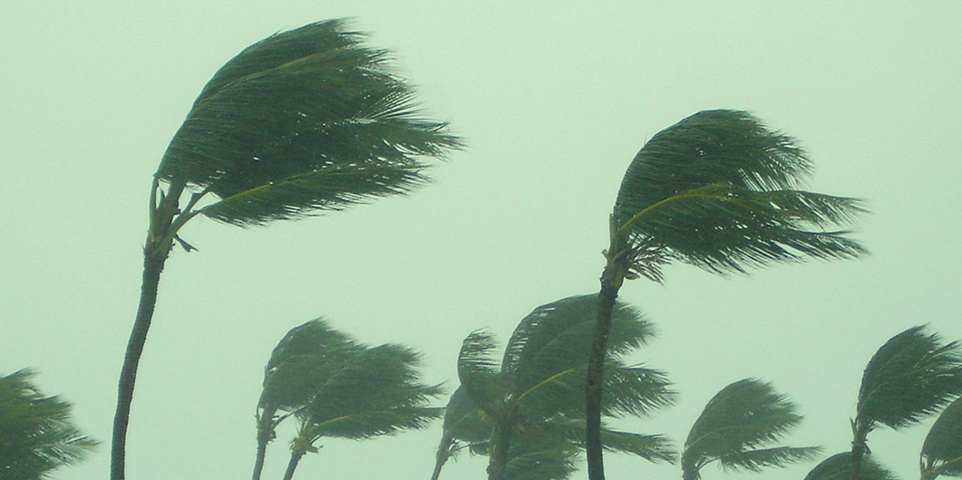
Isaias peaked as a Category 3 hurricane, with one-minute sustained winds of 120 mph. That strength didn’t last. Wind shear — strong upper-level winds that disrupt a hurricane’s internal structure — tore at the storm’s core as it neared land, degrading its eyewall and weakening it to Category 2 by the time it made landfall.
Isaias dropped torrential rain from Alabama to North Carolina, triggering notable inland flooding in several communities along its path. Storm surge set a notable mark in Panama City, Fla., where water rose more than 5.6 feet above mean higher high water – the standard reference point for normally dry land. That was the second-highest reading ever recorded at that location.
Learn More:
100 Years After the Great Miami Hurricane, What’s Been Learned?
Hurricane Lala Triggers Coral Reef Parametric Policy
How Hurricane Lala Could Complicate Claims
Atlantic Forecast Remains “Well Below Average” As Peak Hurricane Season Nears
Triple-I Issues Brief: Hurricanes (Members only)