By Jeff Dunsavage, Head of Research Publications and Insights
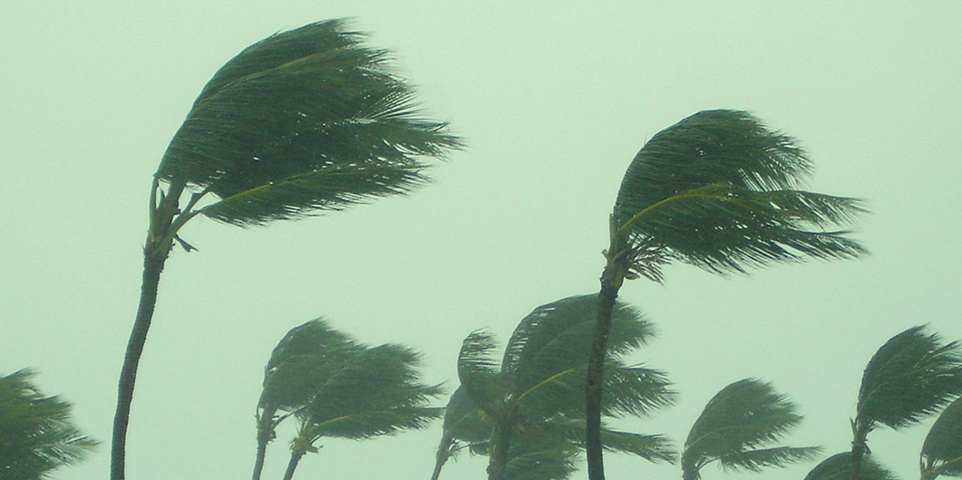
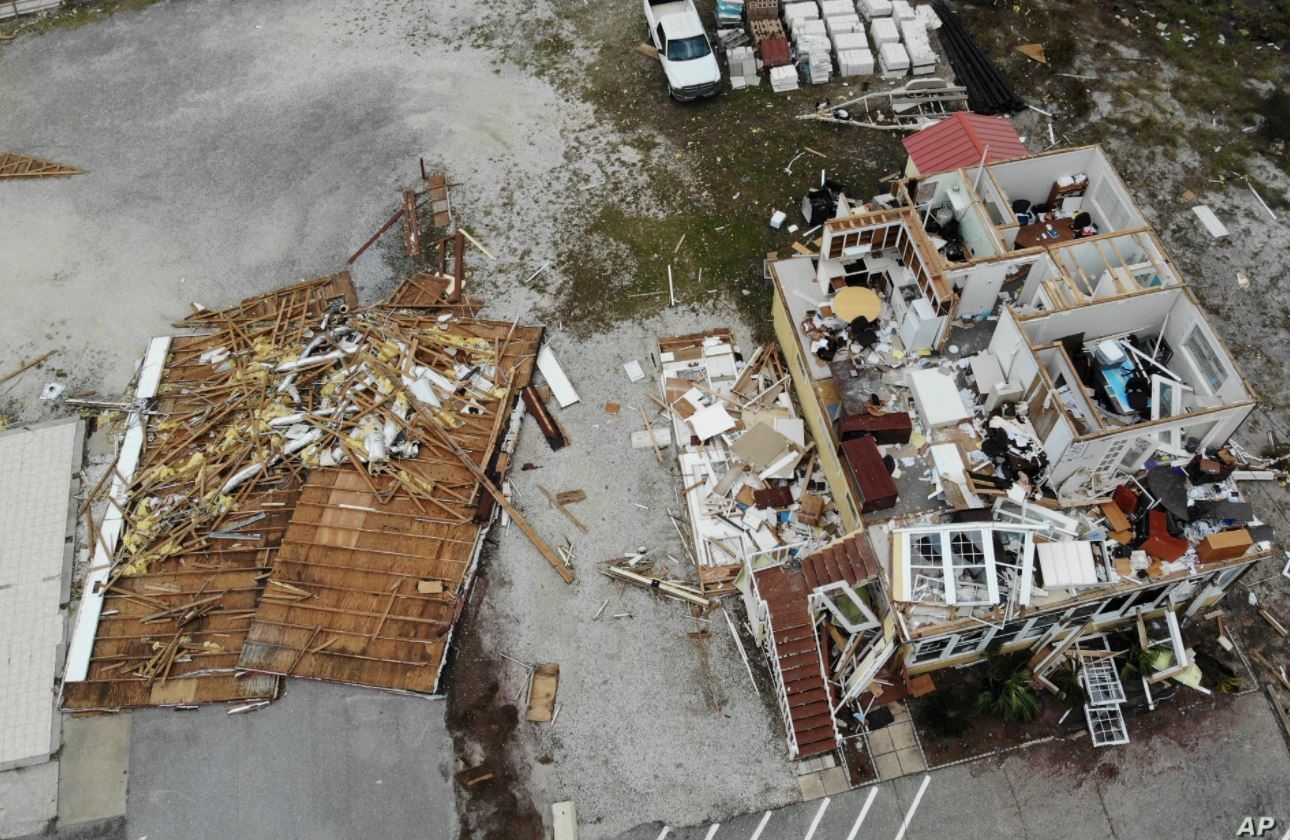
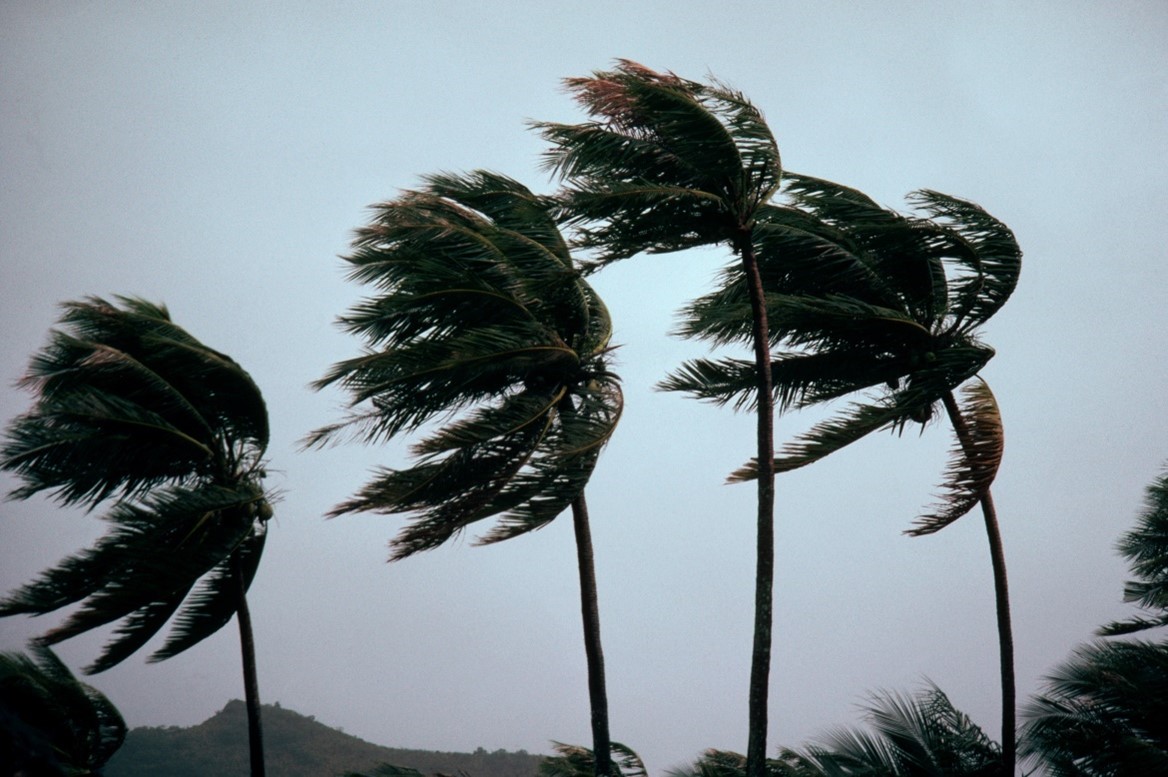
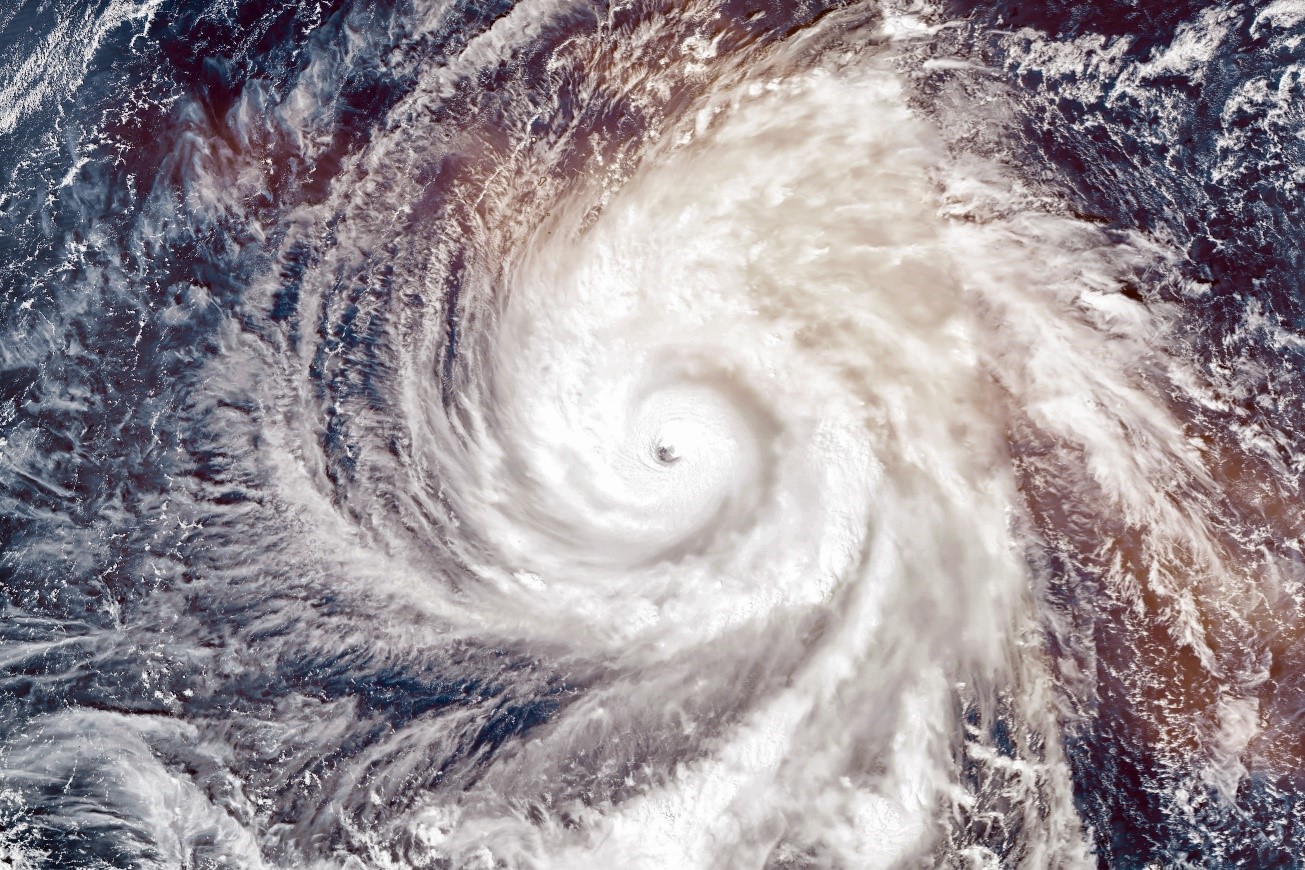
Hurricane Lala – which passed south of Hawaii’s Big Island on Aug. 15 without making landfall but left widespread wind and flood damage across the Hawaiian Islands – has triggered a payout for a coral reef protection parametric insurance policy written by Munich Re.
The $2 million policy’s minimum payout of $200,000 will pay the Hawaiʻi Emergency Reef Restoration Network — a coalition of groups created to receive the insurance funds — to assess and repair the reef. The premiums have been paid by the Nature Conservancy, with funding from the Howden Foundation, since the policy was created in 2022.
While the amount is unlikely to cover all the work, the speedy payout – a compelling feature of parametric policies, which pay claims based on measurable events, rather than actual damages – will help the recovery get started. It also may help the insurance industry build momentum around other similar insurance policies in the future.
“This network has a huge potential to have a key function in helping our reefs like get through the next 20 years,” said Julia Rose, marine project manager at The Nature Conservancy. “I would hope that, as the market grows, we might see premiums become a little more affordable.”
Hurricane Lala’s mix of wind, flood, water intrusion and ground movement in Hawaii could complicate claims for insurers, requiring them to examine multiple policies for a single loss. In some cases, the same property could sustain damage that falls across separate policies, endorsements or exclusions. Commercial insureds may face an additional layer of complexity where property damage also triggers business interruption, equipment breakdown or utility interruption claims.
“The biggest challenge is separating the different causes of damage,” Richard Folkman, vice president of CAT operations and flood and carrier practice leader at Crawford & Co., told Insurance Business. “In a multi-peril event, you may have wind, rain, flood, debris movement and ground movement affecting the same property within hours of each other.”
Parametric is seen more as a supplement to than a replacement for traditional indemnity policies. The claim complexities highlighted by Folkman illustrate the potential value of parametric.
During last year’s Atlantic hurricane season, Hurricane Melissa triggered a $150 million parametric policy payout for Jamaica. That policy was backed by a bond issued in 2024 by the World Bank through its International Bank for Reconstruction and Development and structured by Aon Securities and Swiss Re Capital Markets.
Learn More:
How Hurricane Lala Could Complicate Claims
Jamaica Payout Spotlights Potential of Parametric
Atlantic Forecast Remains Well Below Average as Peak Hurricane Season Nears
Triple-I “State of the Risk” Issues Brief: Hurricanes (Members only)