While most states require all drivers to carry a minimum level of liability coverage, there are several additional options available as well.
Mandatory coverage
Most basic auto policies consist of bodily injury liability and property damage liability.
Note that each type of coverage is priced separately, so there is variability in policy limits and pricing.
Bodily injury liability
Bodily injury liability coverage applies to injuries that those listed on your policy, as well as, or other driver authorized to operate your vehicle, cause to someone else. You and family members listed on the policy are also covered when driving someone else’s car with their permission.
It’s very important to have enough liability insurance, because if you are involved in a serious accident, you may be sued for a large sum of money. It is recommended that policyholders buy more than the state-required minimum liability insurance, enough to protect assets such as your home and savings.
Property damage liability
This coverage pays for damage you (or someone driving the vehicle with your permission) may cause to someone else's property. This may include damage to another vehicle or stationary objects, but it also includes damage to buildings, lamp posts, fences or other structures your car hits.
Frequently required coverage
Many states require that you carry the following coverages. When not required, they could be purchased as optional coverages:
- Medical payments (MedPay) — MedPay covers medical and funeral expenses when a covered person — the policyholder, passengers or a member of the policyholder’s family — is hurt in an auto accident, no matter who is responsible.
- Personal injury protection (PIP) — Also known as no-fault insurance, PIP pays for medical bills, lost wages and other related expenses for you and your passengers after a car accident, regardless of who is at fault. This also includes funeral expenses.
- Uninsured/underinsured motorist coverage — Reimburses you when an accident is caused by an uninsured motorist, including hit-and-runs. Underinsured motorist will cover costs when another driver lacks adequate coverage to pay the costs of a serious accident.
Optional coverages
While legally mandated auto liability insurance covers the cost of damages to other vehicles that you cause while driving, it does not cover damage to your own car. Optional collision and comprehensive coverages are typically part of a full-coverage policy.
- Collision — This coverage reimburses you for damage to your car that occurs as a result of an at-fault collision with another vehicle or stationary object, like a building, tree or utility pole. While collision coverage will not reimburse you for mechanical failure or normal wear-and-tear on your vehicle, it will cover damage from potholes and rollover accidents.
- Collision coverage is generally sold with a separate deductible. Even if you are at fault for the accident, your collision coverage will reimburse you for the costs of repairing your car, minus the deductible. If you are not at fault, your insurance company may try to recover the amount they paid you from the other driver’s insurance company and, if they are successful, you will also be reimbursed for the deductible.
- Comprehensive — This coverage provides against damage caused by an incident other than a collision, such as theft, vandalism, fire, flood, hail, falling rocks or trees, striking an animal and other hazards — even getting hit by an asteroid!
- Comprehensive is typically sold with a separate deductible. However, some states have no deductible for windshield repair and replacement.
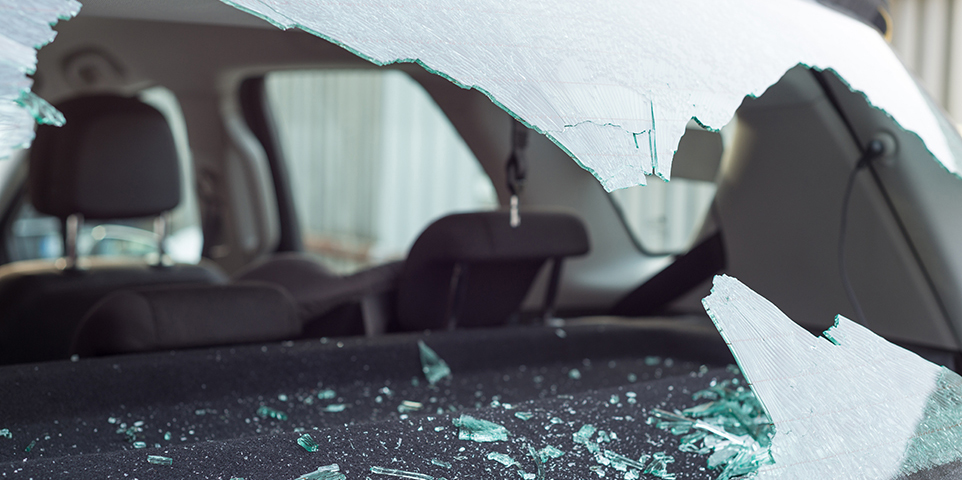
- Glass coverage — This coverage provides supplemental coverage for windshield damage as well as side windows, rear windows and glass sunroofs.
Gap Coverage
- If you lease or finance your vehicle, auto lenders and leasing companies will likely require you to purchase collision and comprehensive. But keep in mind that collision and comprehensive only cover the market value of your car, not what you paid for it — and new cars depreciate quickly. If your car is totaled or stolen, there may be a “gap” between what you owe on the vehicle and your insurance coverage. To cover this, you may want to look into purchasing gap insurance to pay the difference.
- Please note adding gap coverage as an endorsement to your existing auto policy is typically much more cost-effective than purchasing standalone coverage from an auto dealer or leasing company.
Accident Forgiveness
Many insurers offer accident forgiveness coverage, which protects the policyholder from a rate increase after a first at-fault accident.
Next steps: Shopping for auto insurance? Here's how to find the right policy for you and your car.