MEMBERSHIP
AMPLIFY
EN ESPAÑOL
Connect With Us
- Popular search terms
- Automobile
- Home + Renters
- Claims
- Fraud
- Hurricane
- Popular Topics
- Automobile
- Home + Renters
- The Basics
- Disaster + Preparation
- Life Insurance
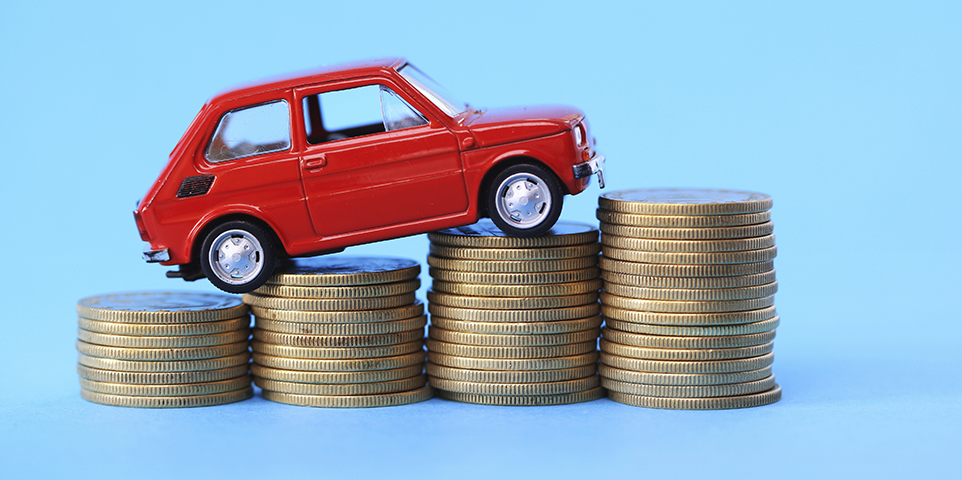
Gap insurance covers the difference between what a vehicle is worth, and what is owed on it.
When you buy or lease a new car or truck, the vehicle starts to depreciate in value the moment it leaves the car lot. In fact, most cars lose 20 percent of their value within a year. Standard auto insurance policies cover the depreciated value of a car—in other words, a standard policy pays the current market value of the vehicle at the time of a claim.
If, when you finance the purchase of a new car and put down only a small deposit, in the early years of the vehicle's ownership the amount of the loan may exceed the market value of the vehicle itself.
In the event of an accident in which you have badly damaged or totaled your car, gap insurance covers the difference between what a vehicle is currently worth (which your standard auto insurance policy will pay) and the amount you actually owe on it.
It’s a good idea to consider buying gap insurance for your new car or truck purchase if you:
Your car dealer or financing company may offer to sell you gap insurance on your new vehicle. However, many national and regional car insurers also offer it, and they typically charge much less than the dealer. On most auto insurance policies, including gap insurance with collision and comprehensive coverage typically adds between $50-$150 a year to the annual premium. The cost of purchasing gap insurance as a standalone policy could run up to 10 times higher than adding it as an endorsement to your existing policy.
Get more financial reassurance—Protect yourself from uninsured motorists.